
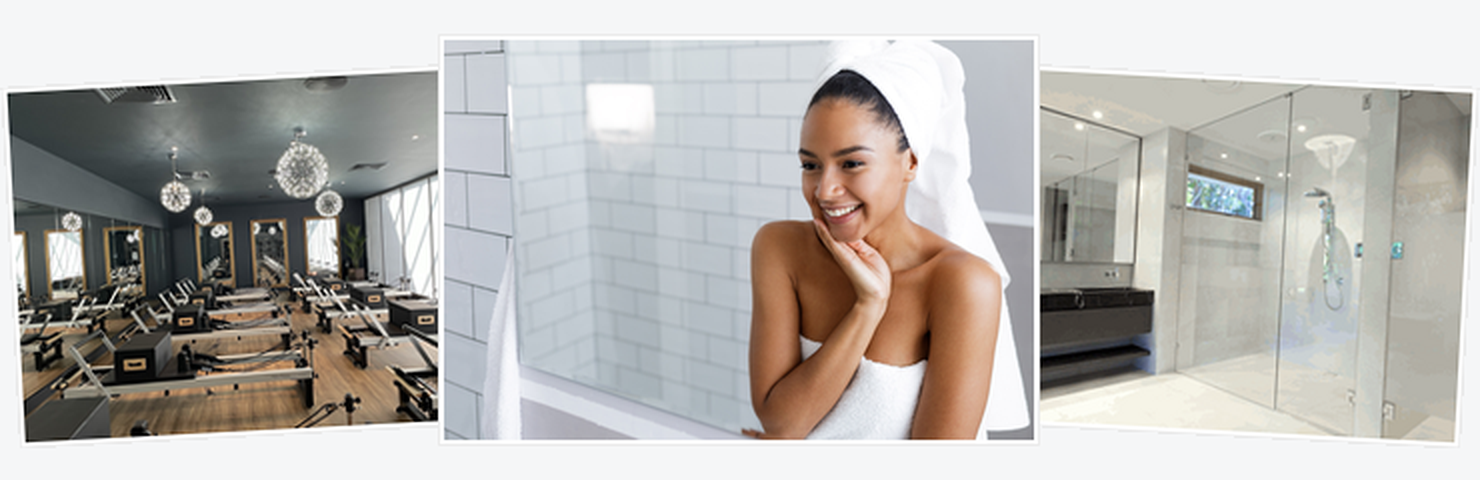
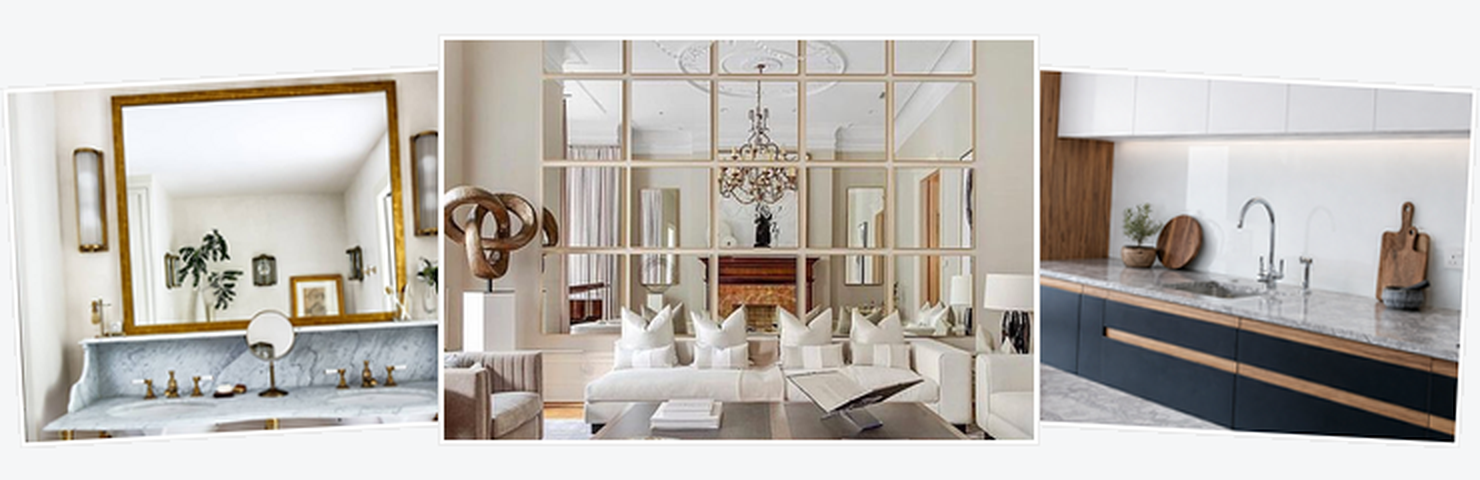
How to Use Mirrors in Your Home: Expert Ideas and Inspiration
Mirrors are one of the most powerful styling tools in your home. They lift light into dark corners, create the feel of extra space and add character to every interior. When you place a mirror thoughtfully, it does far more than show your reflection – it changes how a room looks and how it feels.
Choosing the Right Mirror Style for Your Home or Space
Our Mirror Style Guide is designed to help you choose the right mirror for your space, whether you are updating a hallway or planning a larger interior project. Here you will find ideas room by room, plus tips on thickness, safety and choosing the right mirror for your space.
Living Rooms and Lounges – How Mirror Styles Affect Space and Light
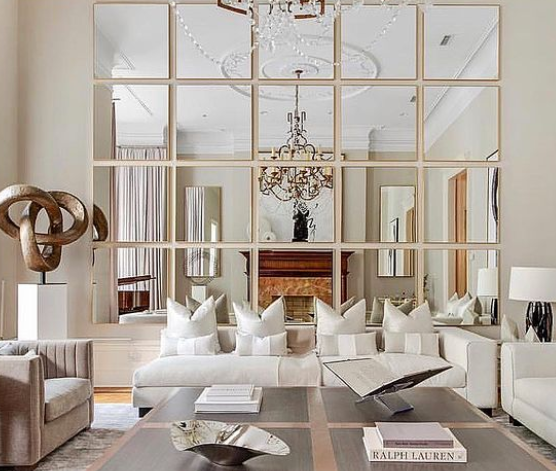
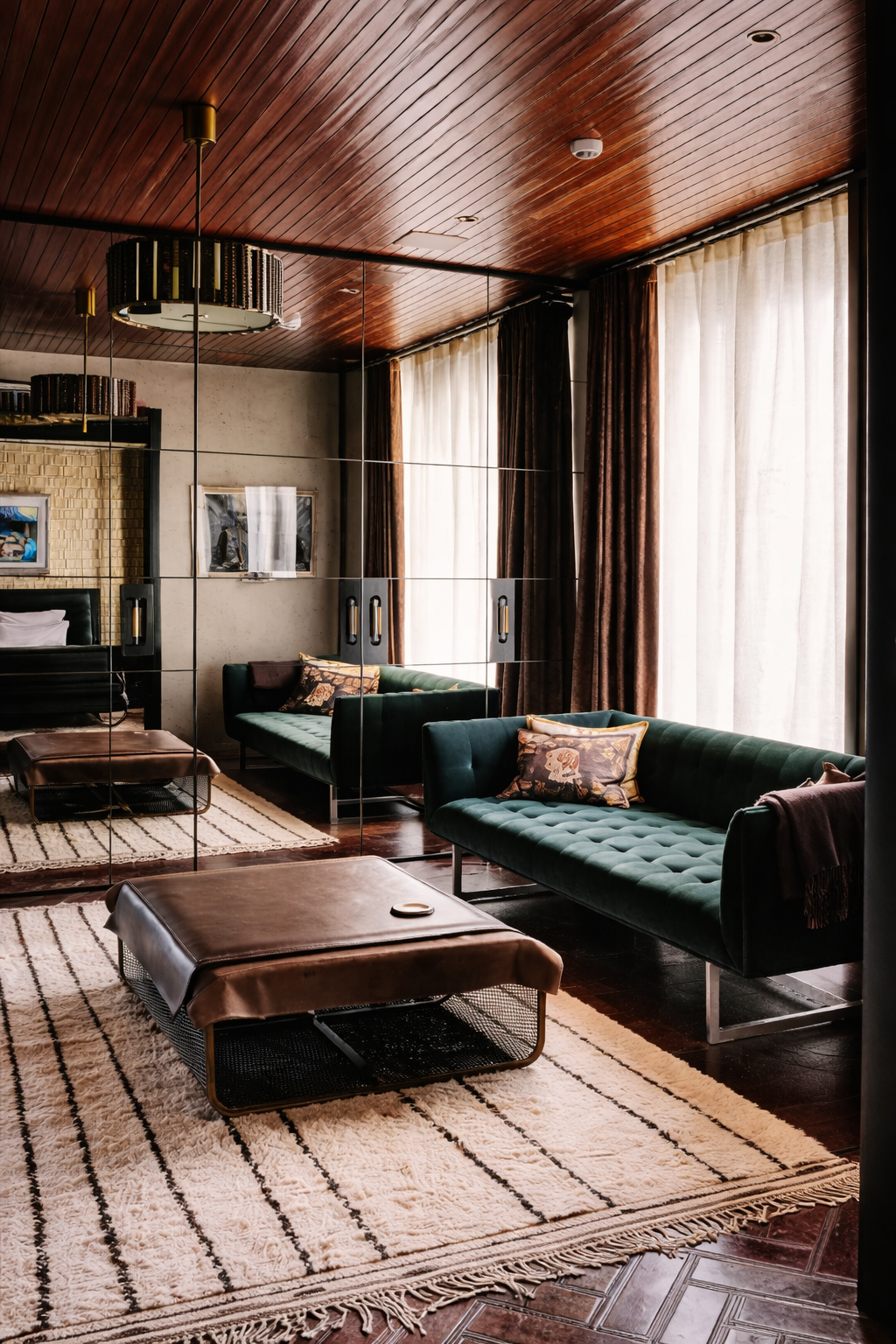
Opposite windows
Placing a mirror opposite or diagonally opposite a window bounces natural light back into the room. This makes the space feel brighter and often much larger than it really is. It works particularly well in north-facing rooms that do not get strong direct sunlight.
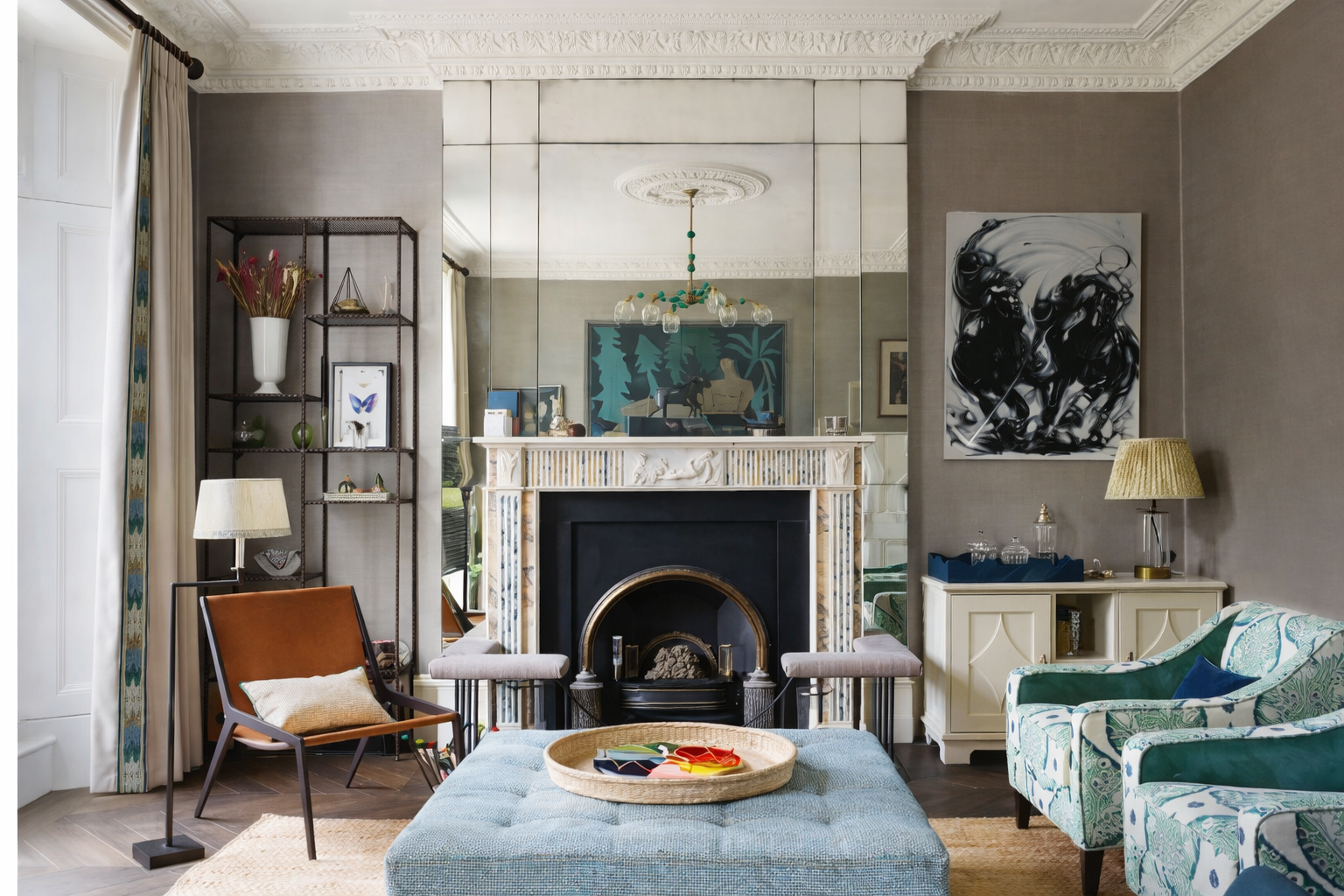
Above a fireplace
A large made to measure mirror above a fireplace instantly creates a focal point. In a traditional room, you might choose an ornate framed mirror. In a more modern interior, a simple frameless rectangle can look clean and architectural. Either way, the mirror visually anchors the whole wall.
Behind decorative objects
If you have a console table, a sideboard or open shelving, place a mirror behind your favourite objects – plants, vases, sculptures, candles. The mirror doubles their impact and gives the impression of more depth in the room.
Go as big as the wall allows
For living spaces, a larger mirror nearly always feels more luxurious. A tall mirror can also make low ceilings feel higher.
Bedrooms – Light, Calm and a Functional Dressing Area
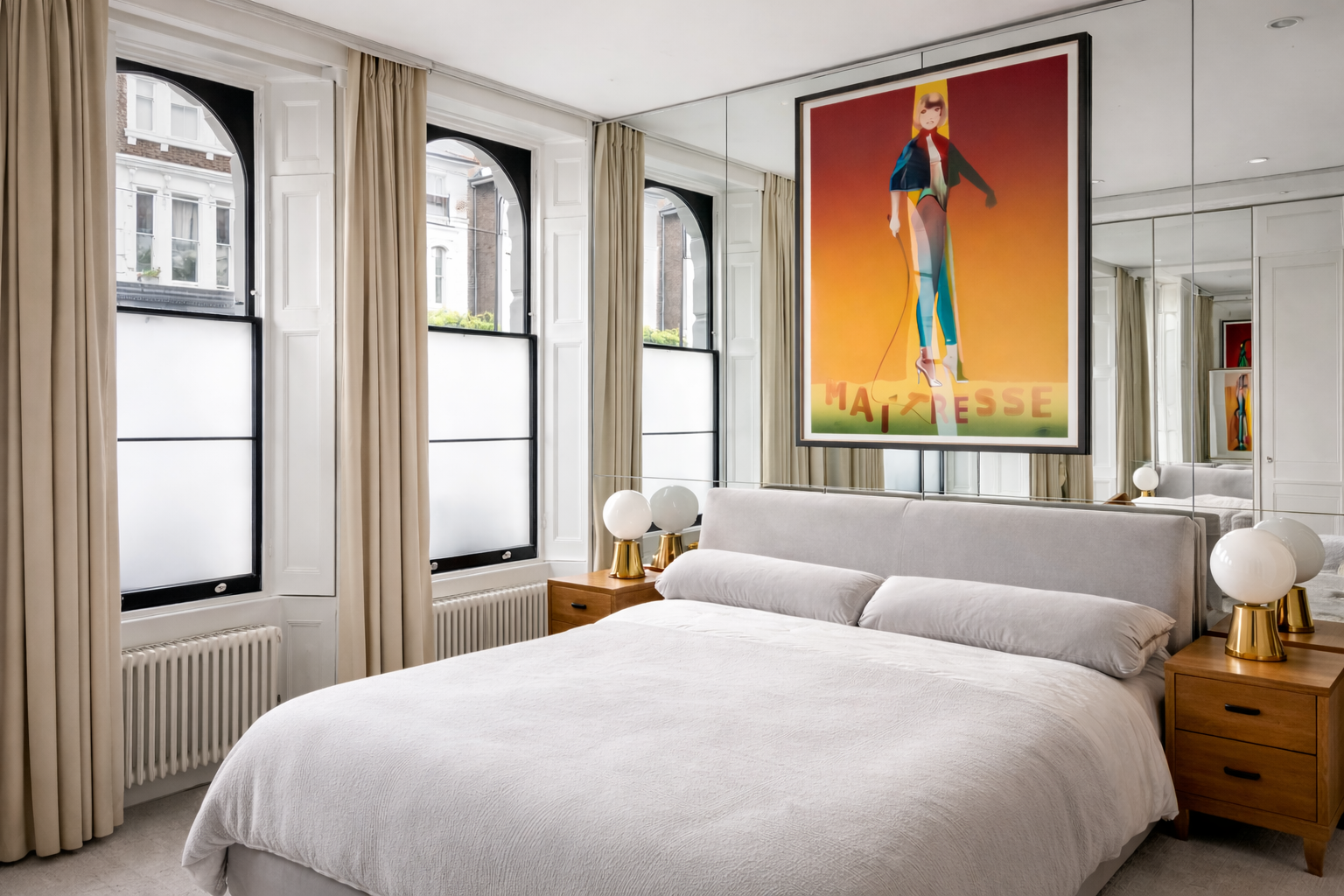
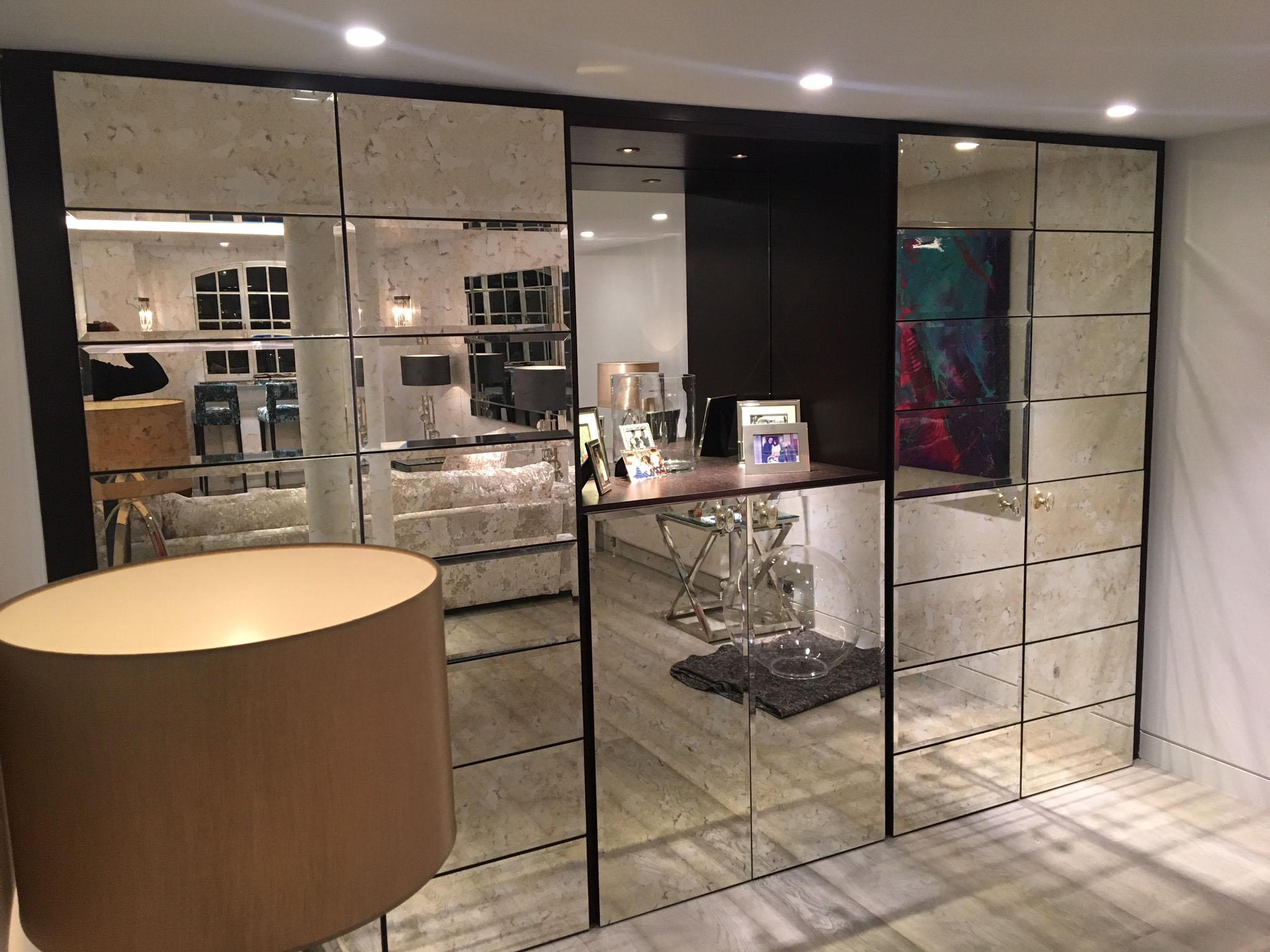
Full-length mirrors
A full-length mirror is essential if you want to see your outfit clearly. Place it where you can step back at least a couple of paces. Position opposite a window if possible to get good natural light on clothes and colours.
Dressing table mirrors
A simple rectangular mirror above drawers or a dressing table creates a dedicated area for hair and make-up. You can choose a mirror the same width as the furniture for a calm look, or slightly wider for more drama.
Wardrobe and sliding door mirrors
Adding mirrors to wardrobe doors is a clever way to maximise light without using more floor space. It works especially well in smaller rooms where a freestanding mirror would feel cramped. Here 4 mm mirror is often used to keep the weight manageable.
Placement tip
Avoid positioning mirrors where they mainly reflect clutter or messy corners. A tidy opposite wall, a window or a neatly made bed will always give a better effect.
Bathrooms – Practical, Stylish and Steam Aware
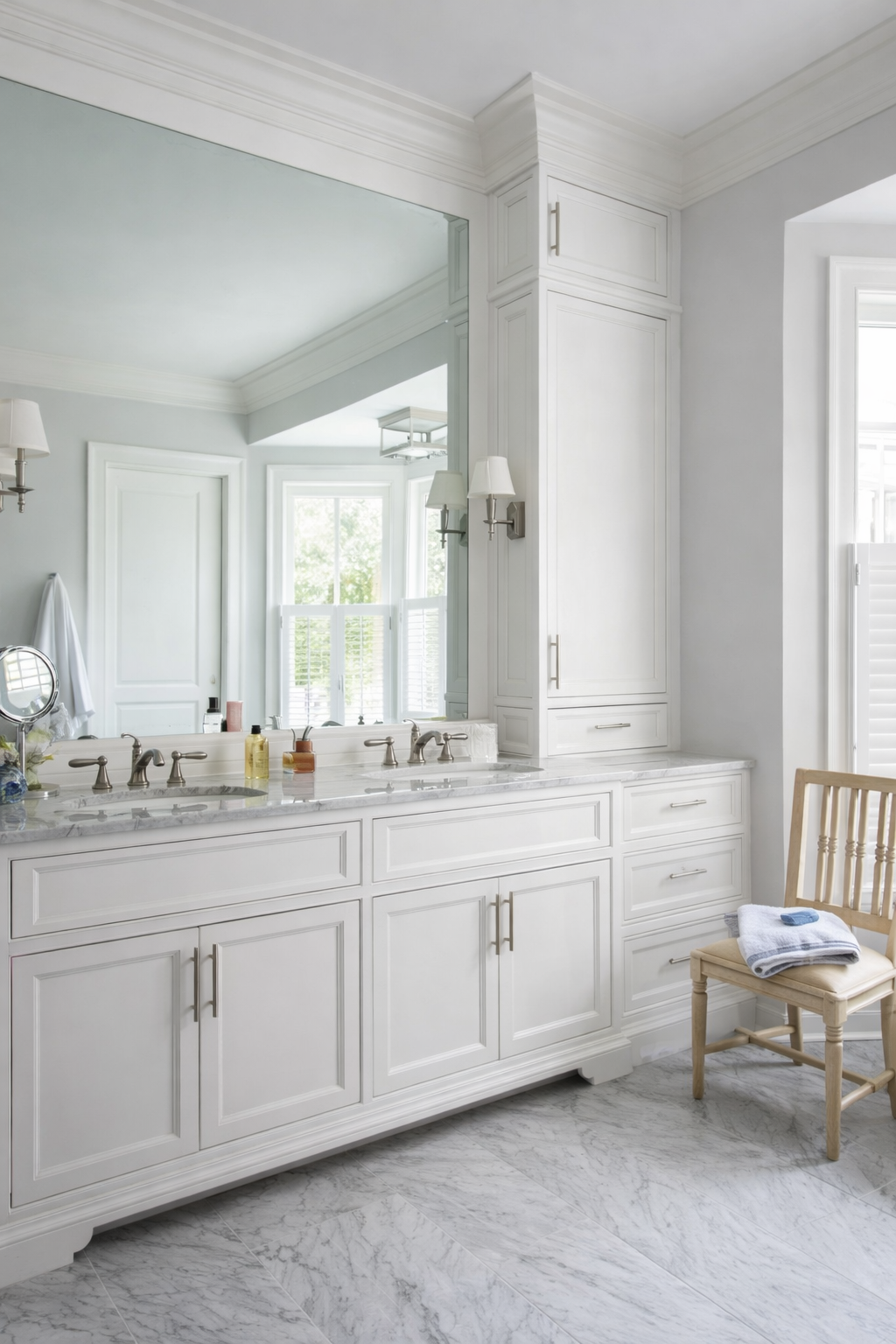
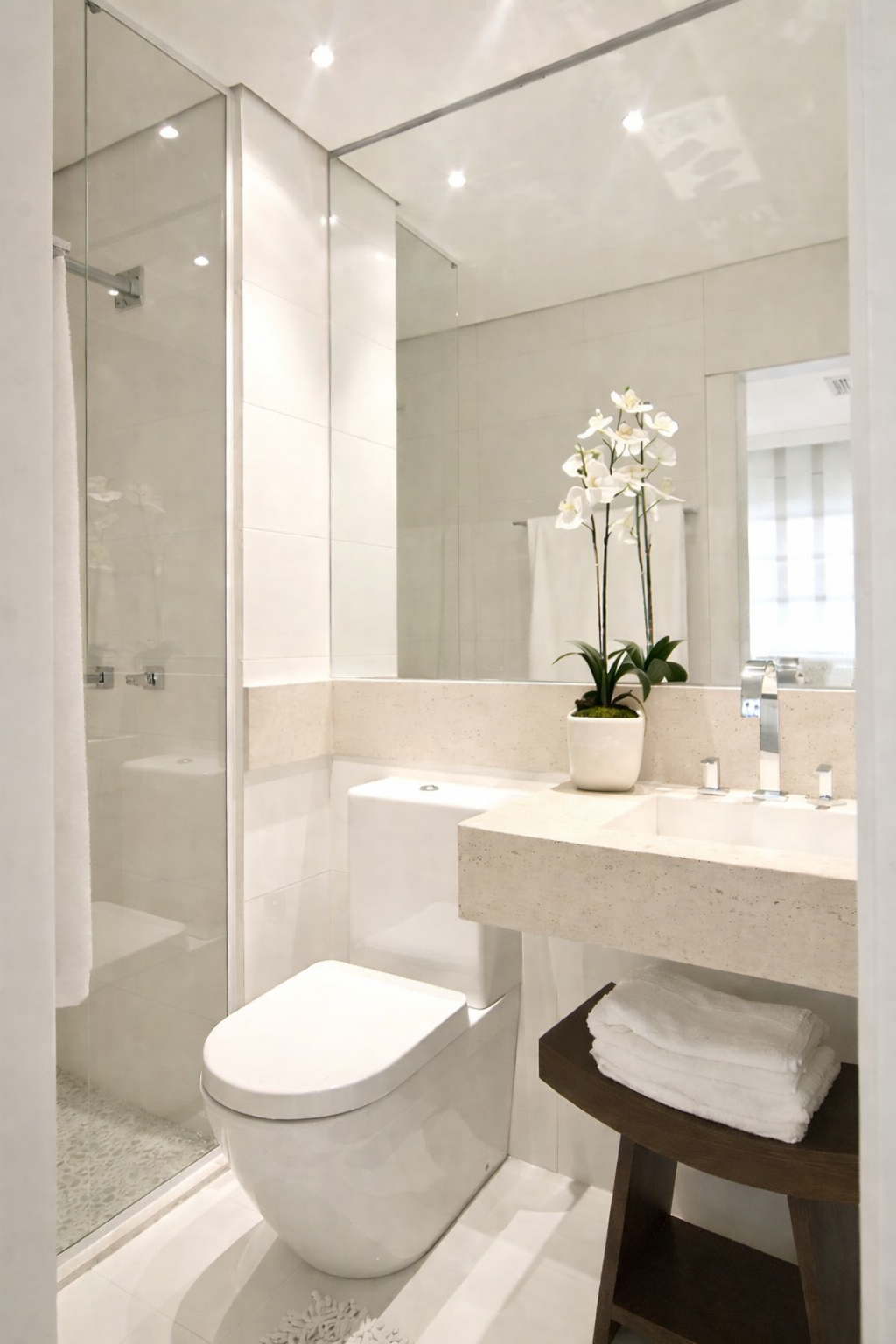
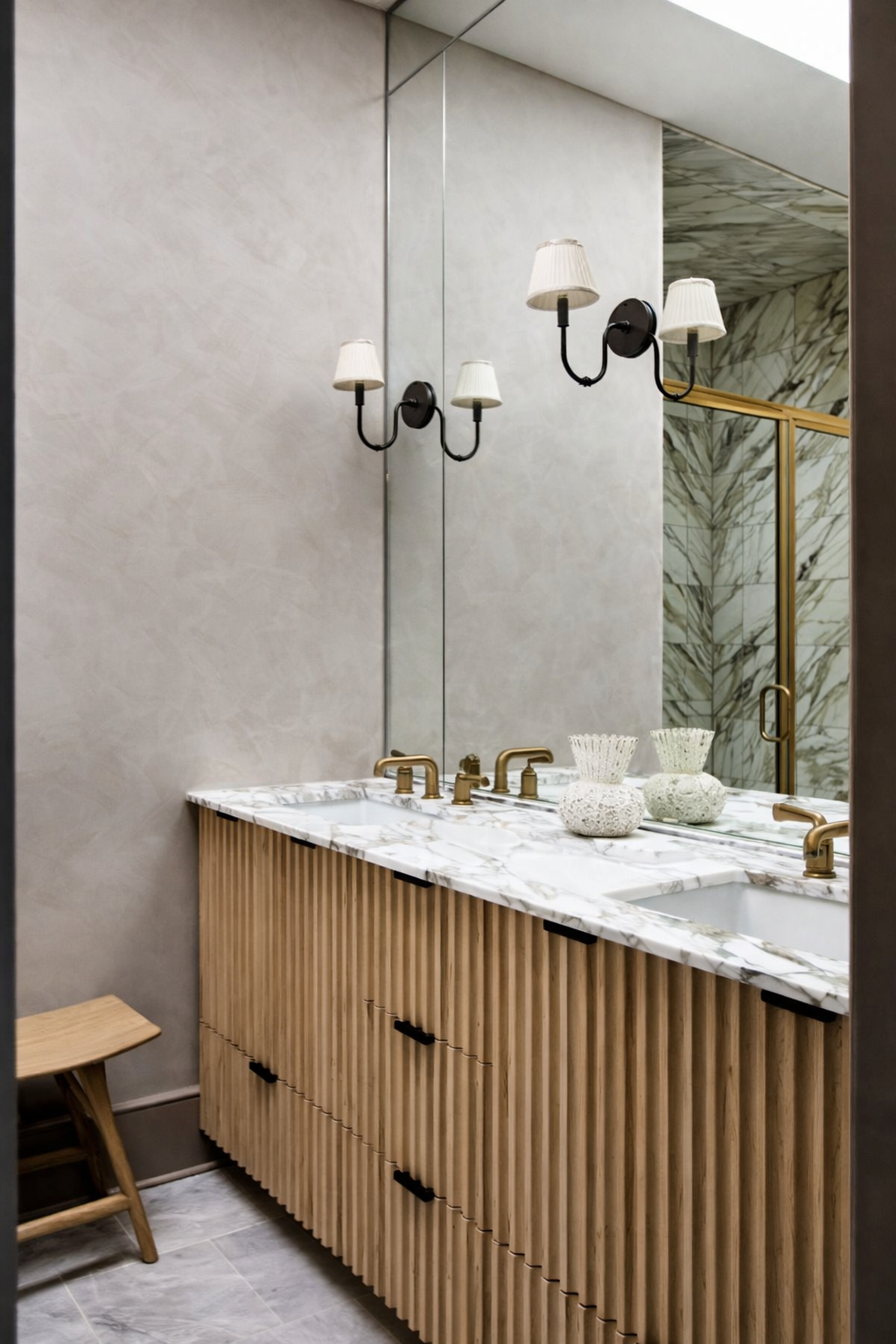
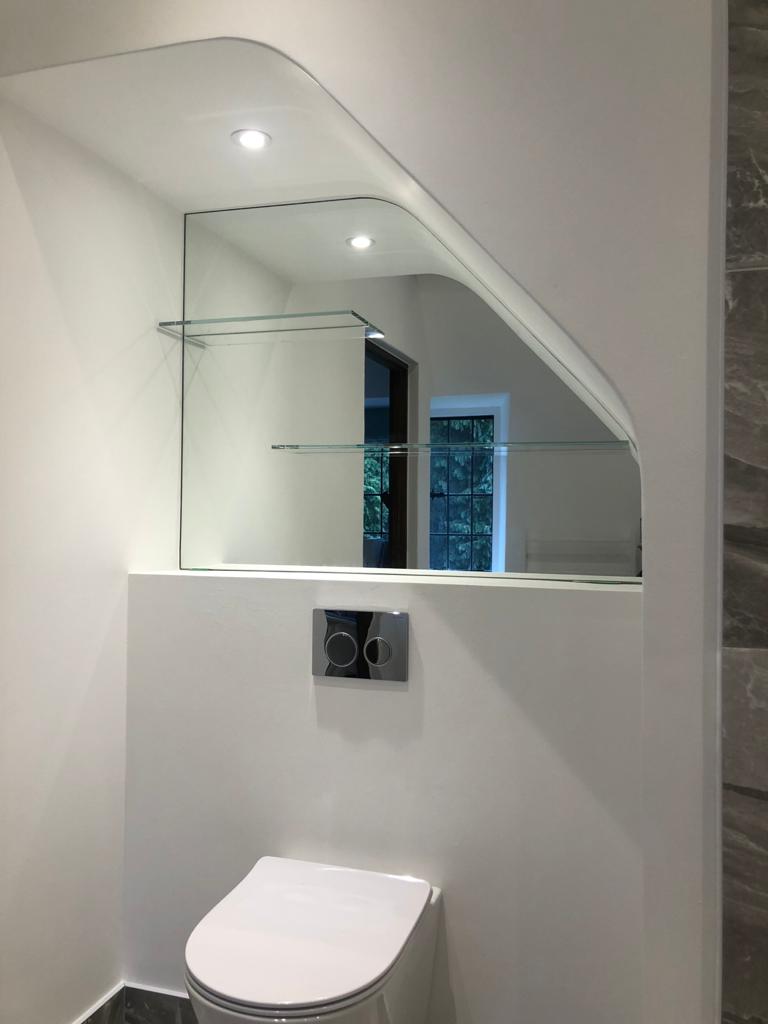
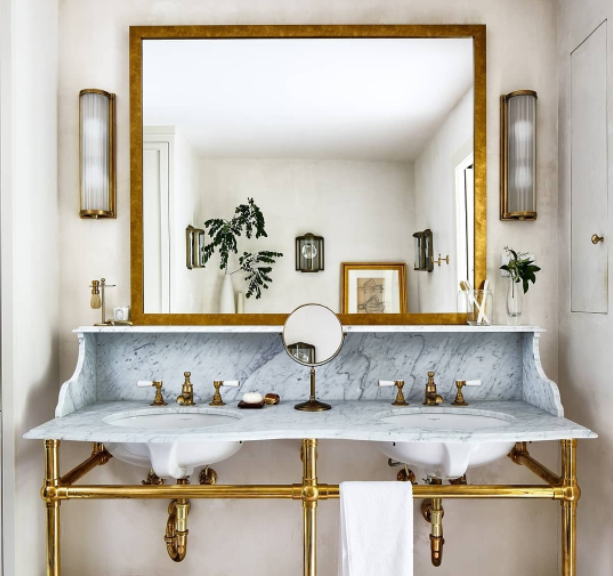

Bathrooms are sometimes small, often steamy and always in daily use. The right mirror makes a big difference.
Above the basin
This is the classic spot. Choose a mirror that is slightly narrower than the vanity below for a balanced look, or run a mirror the full width of the wall for a hotel feel. Add demister pads if the bathroom is very steamy.
Opposite the window
If possible, position the mirror to reflect daylight from the window. This brightens the room and makes it feel fresher.
Tall, narrow mirrors
In compact shower rooms or cloakrooms, a tall, narrow mirror can make a small wall appear much higher and lighter, without taking up much width.
Moisture and thickness
For bathrooms, a 6mm mirror with foil backing is recommended. Foil backing adds protection against moisture and helps extend the life of the mirror.
Demister Pads – A Useful Bathroom Upgrade
You may wish to consider adding a demister pads to keep the centre of the mirror clear in steamy conditions.
- Choose a pad that covers the main viewing area but not more than 70% of the mirror
- Leave at least 150mm clear between the pad and each edge of the mirror
- Demister pads must be wired in by a qualified electrician
- For wide mirrors above double basins, two small pads often work better than one large one (see our demister installation guide).
Hallways and Entrances – Brighten Narrow Spaces
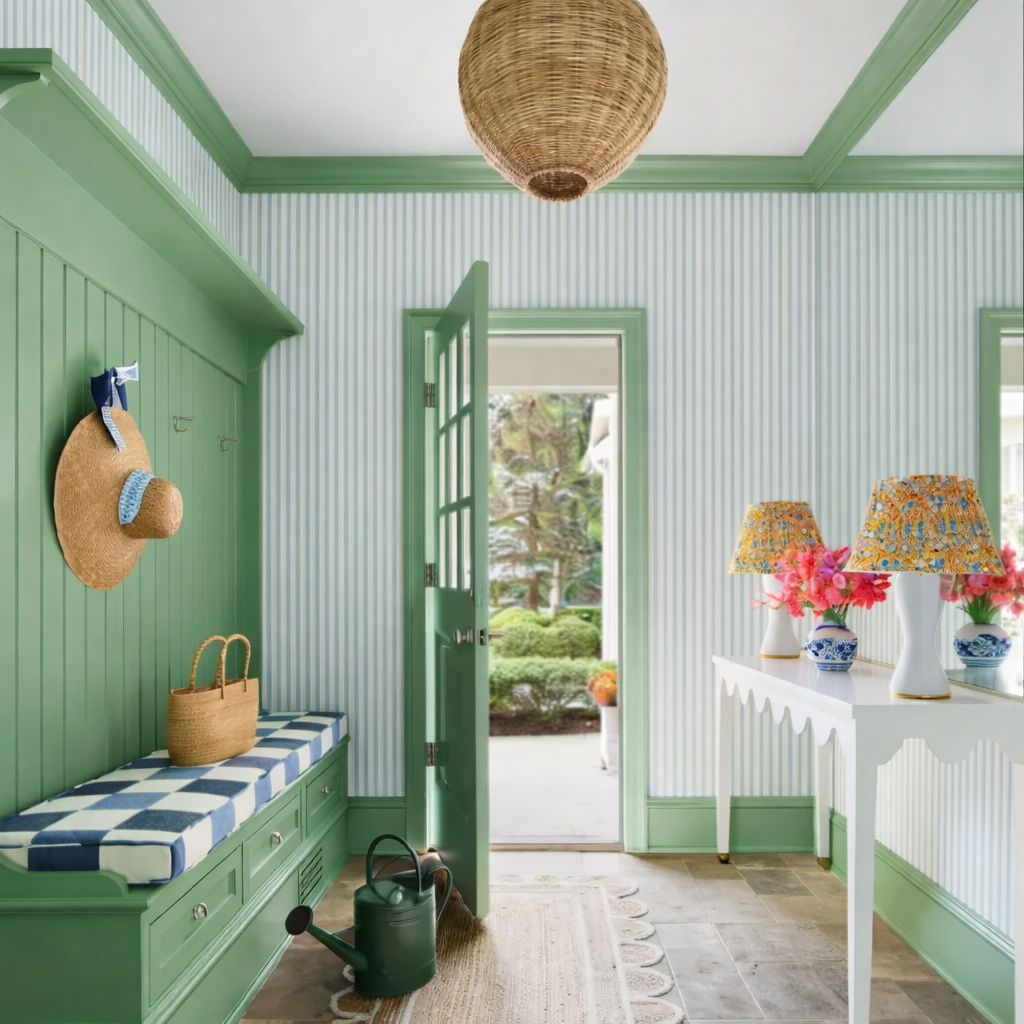


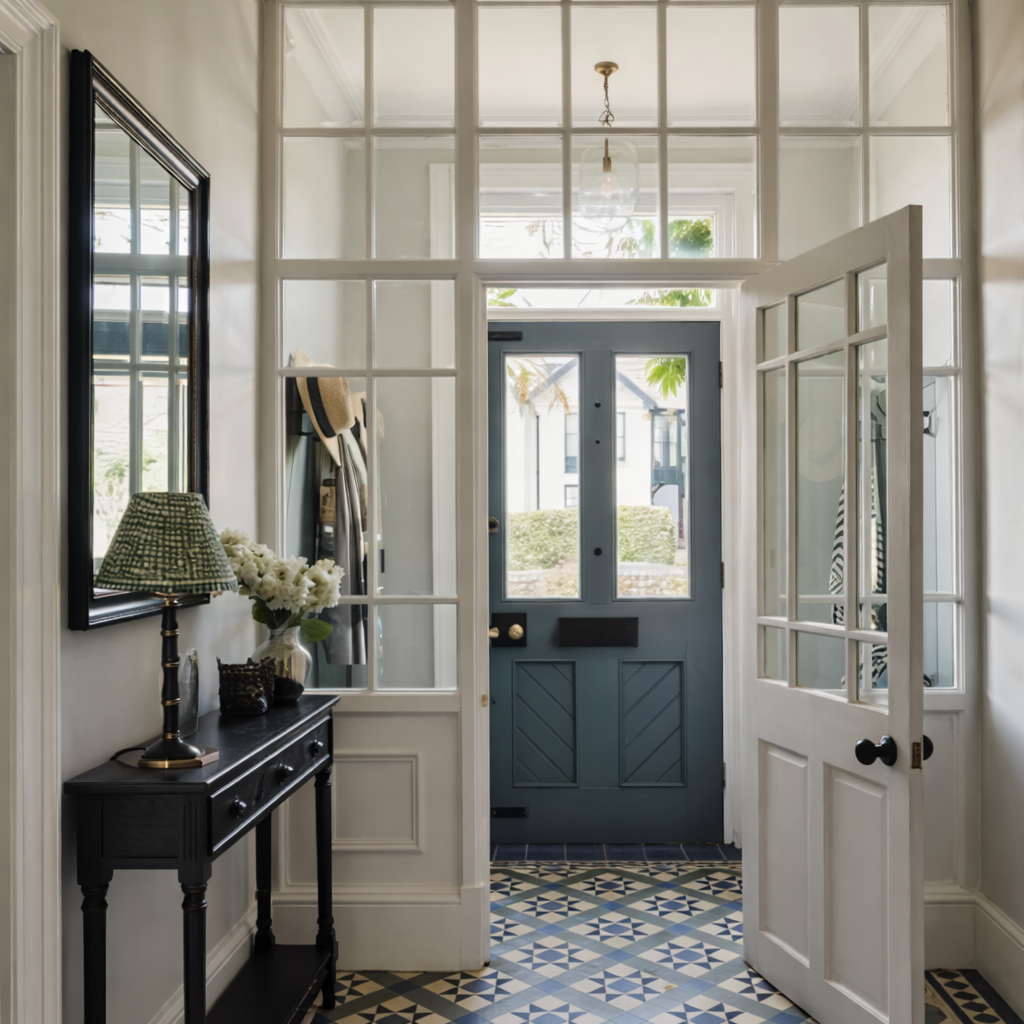
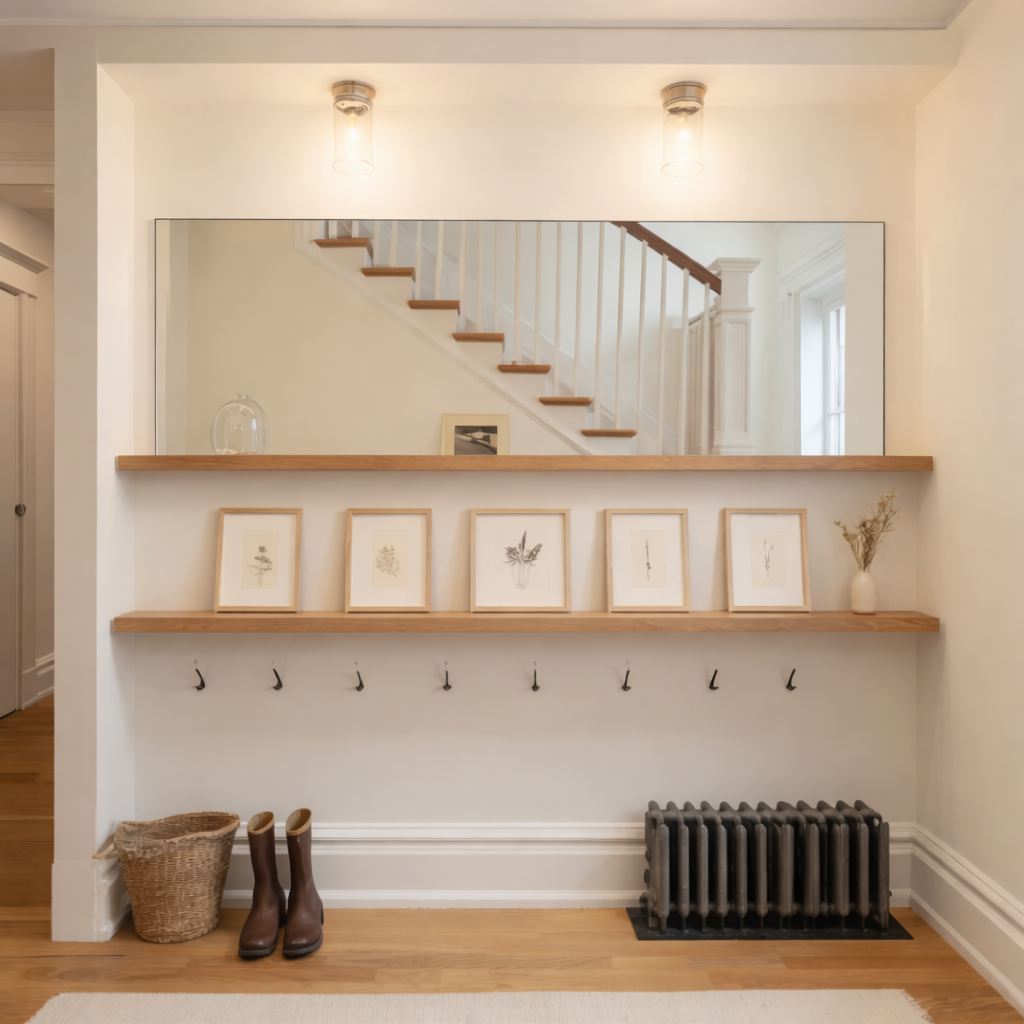
Hallways are usually the first impression of your home but are often the darkest and narrowest areas.
Long horizontal mirrors
A long landscape mirror along one wall makes the hallway feel wider and less tunnel-like. It also spreads available light from any nearby window or door.
Entrance mirrors
A mirror near the front door gives you a final check before you leave. It also reflects light from outside and creates a more welcoming feel.
Groups of mirrors
If you like a more eclectic look, group smaller mirrors of different shapes and frames together. This can turn a plain wall into a feature.
Home Offices – Light, Focus and Better Video Calls
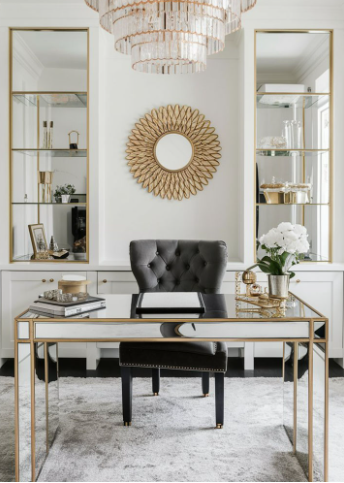
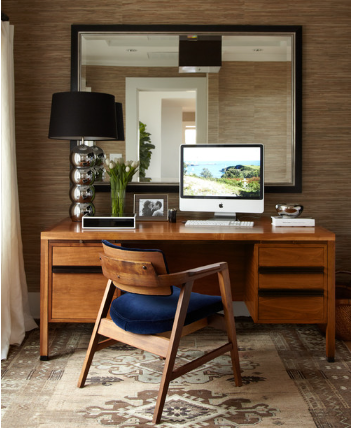
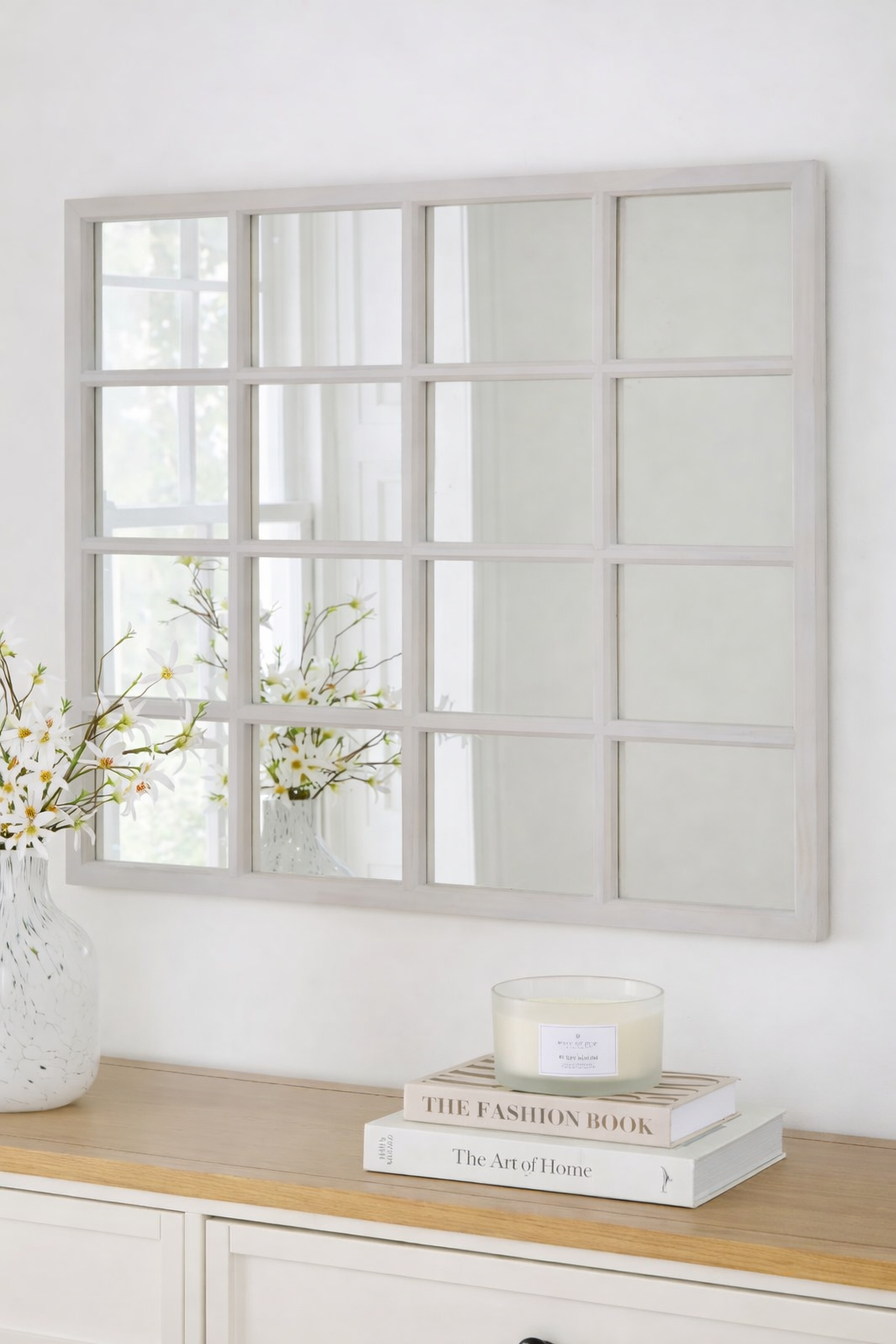
Good lighting is important in a home office not just for visibility but also for flattering video calls.
Use mirrors to maximise natural light
- Place a mirror where it reflects daylight across the room without being directly behind you on camera.
- A mirror opposite or near a window helps brighten your face naturally, which is far more flattering than overhead lighting.
Avoid mirrors behind your desk
Mirrors behind you can show the whole room during meetings, which you may not want colleagues or clients to see. A simple picture or tidy shelf usually makes a better background.
Keep reflections calm
Choose a mirror placement that reflects tidy areas, greenery or light rather than cables or screens.
Kitchens and Dining Areas – Atmosphere and Openness
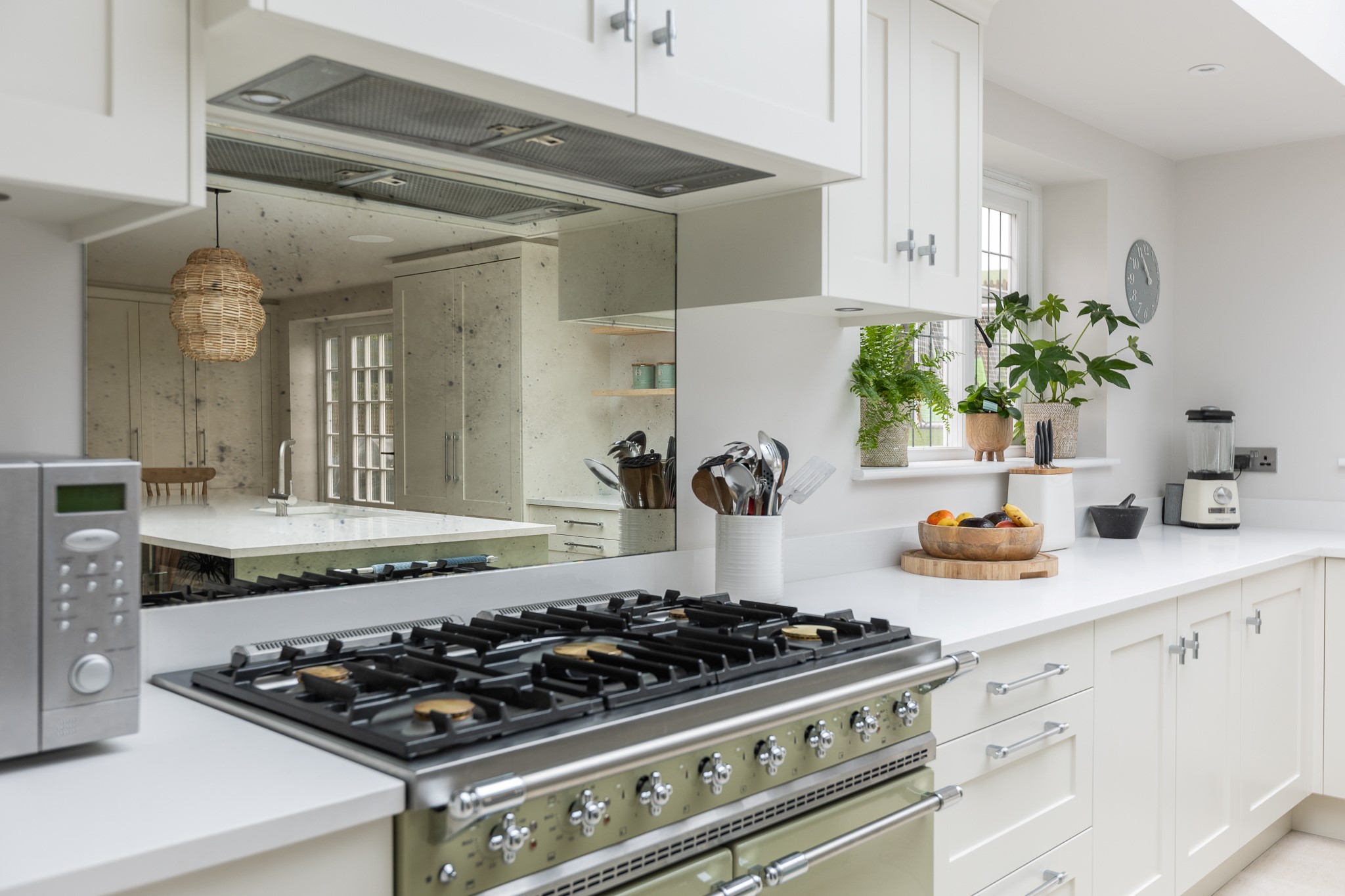
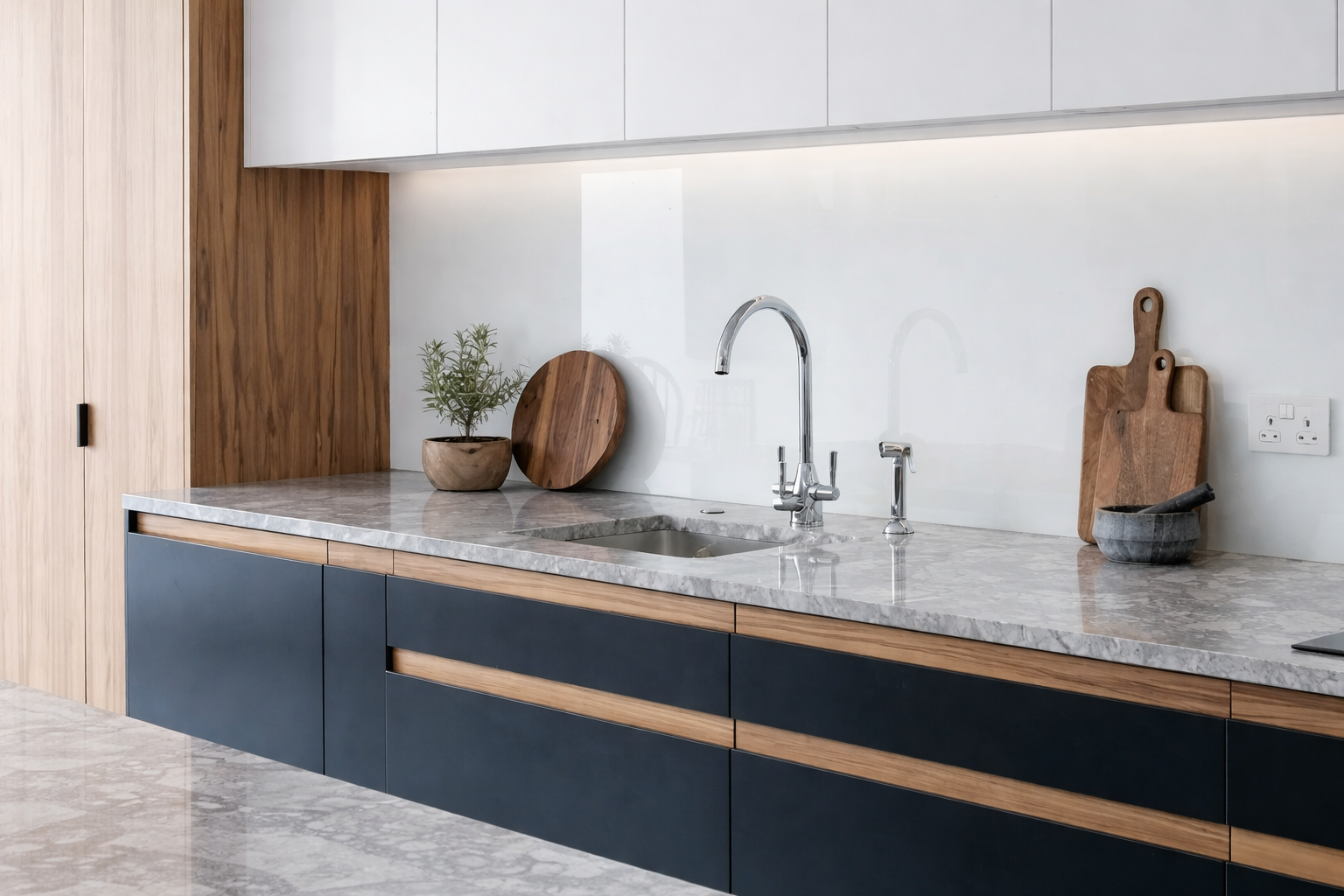
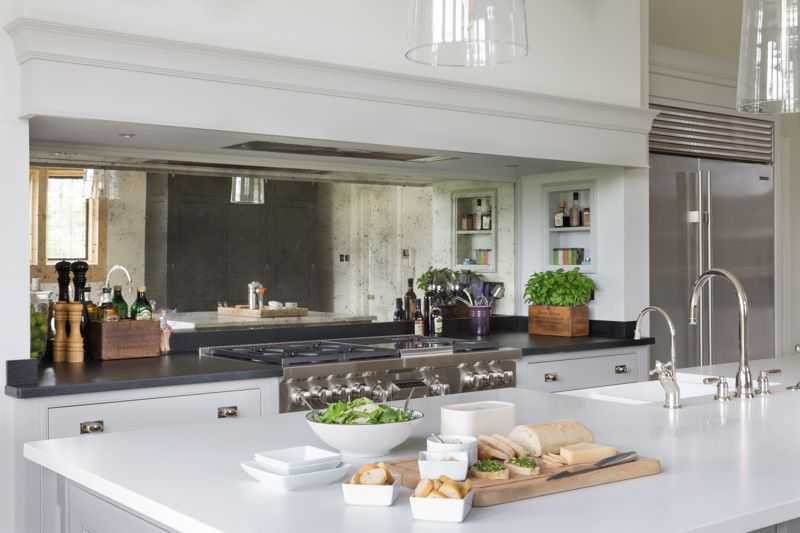
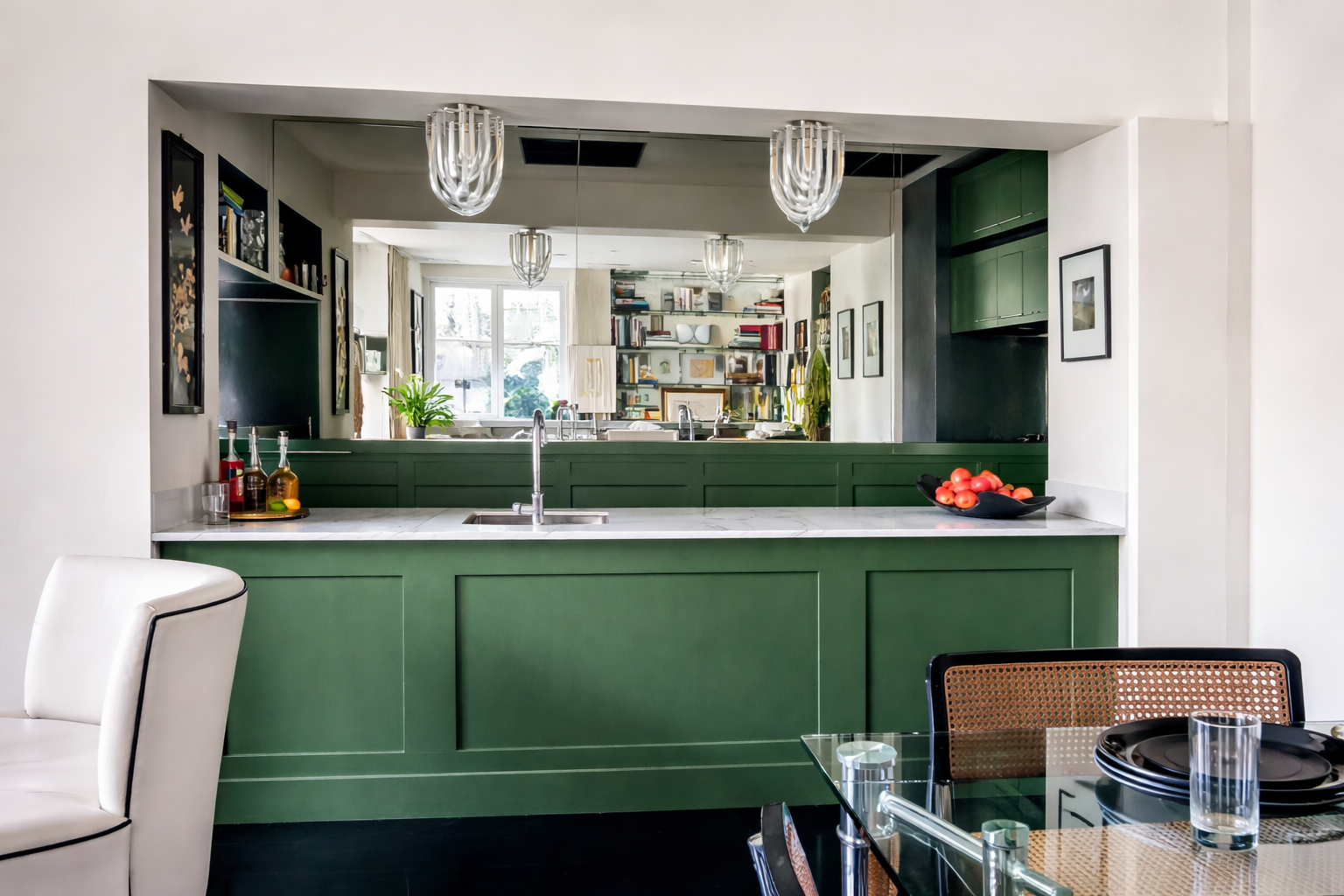
Mirrored splashbacks
Toughened mirrored glass behind worktops can dramatically increase light and make a small kitchen feel much larger. It also creates a sleek, modern look and is easy to wipe clean.
Dining spaces
Placing a mirror along the wall beside or behind the dining table adds a sense of occasion. In the evening it reflects candlelight and pendant lights, creating a warm atmosphere.
Staircases and Landings – Use Overlooked Walls
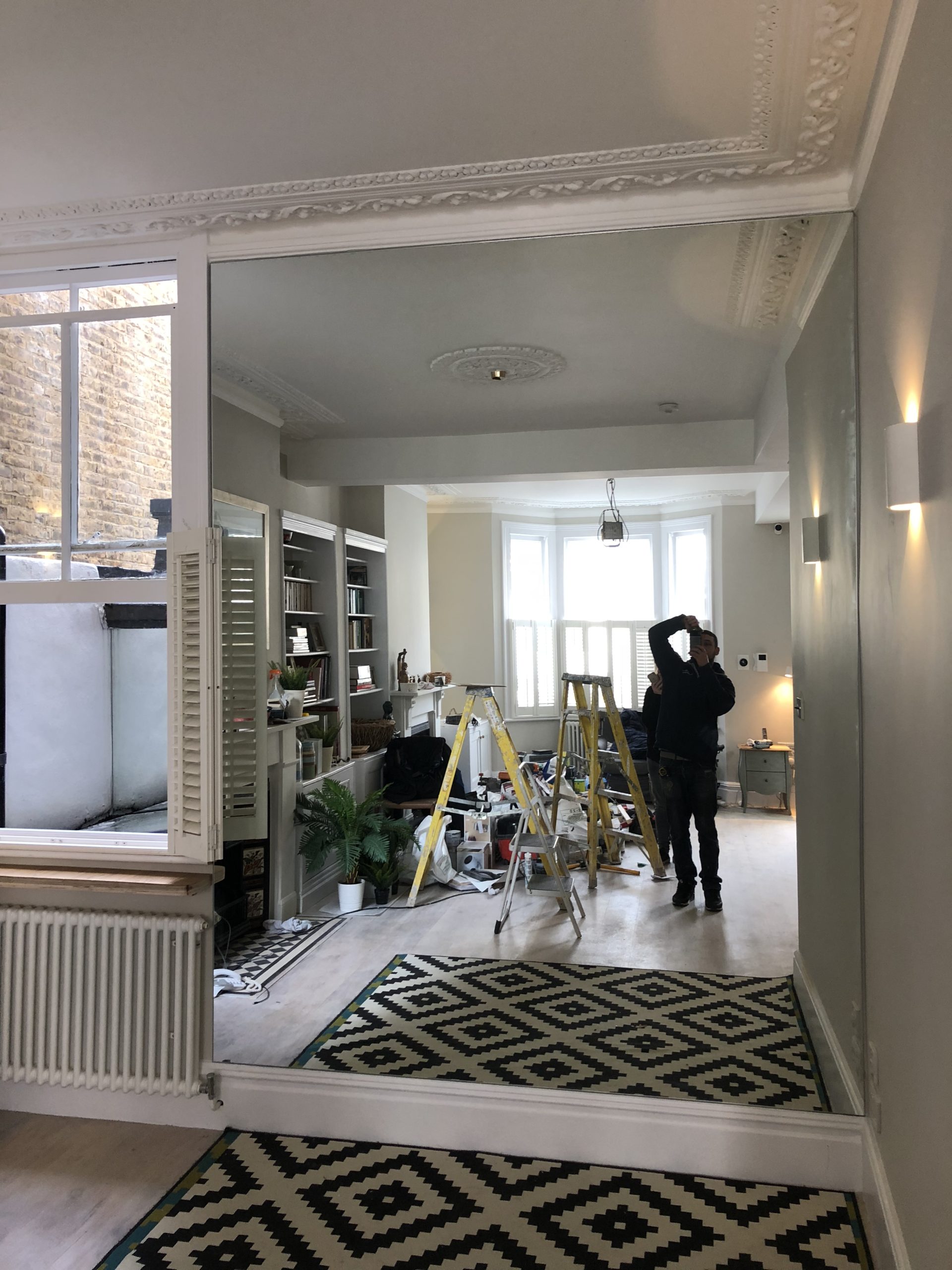
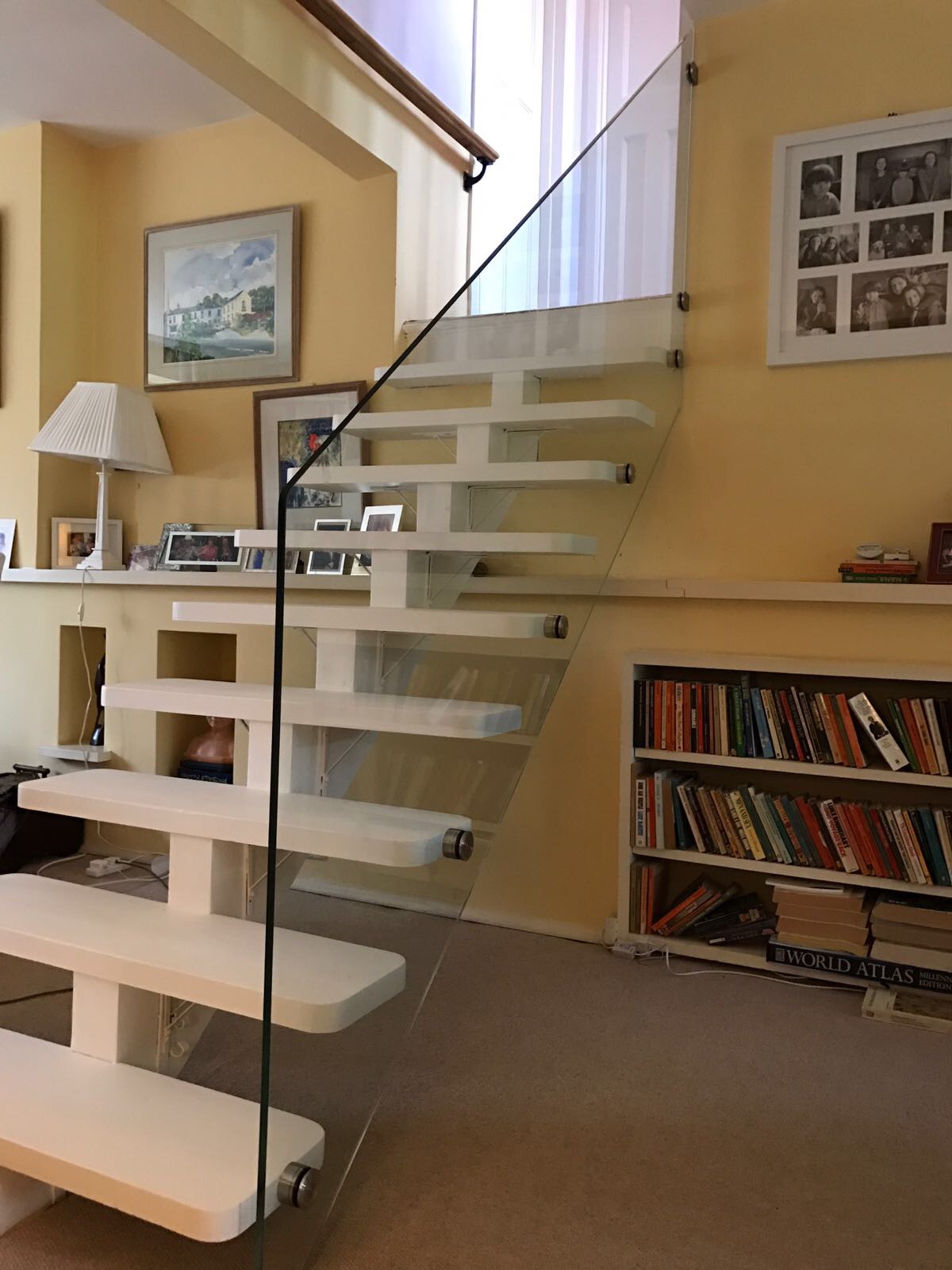
Vertical mirrors on stairwells
A tall mirror on a staircase wall draws the eye upwards and adds interest to what is often a blank space.
Landing mirrors
Landings can be dark. A mirror opposite a window or at the end of the landing helps to bounce light along and can make the upstairs feel more open.
Making Your Home More Appealing to Buyers
Mirrors can noticeably change how a home feels during viewings.
- Use mirrors to reflect light from windows rather than clutter.
- Place a hero mirror above the fireplace to create a clear focal point.
- Add mirrors to bedroom wardrobes to give a sense of more space.
- Use a mirror in the hallway to brighten the route through the home.
- Modern mirrored splashbacks can freshen a dated kitchen quickly.
Mirror Thickness and Quality
At MirrorFit, we generally recommend:
- 6mm mirrors for most wall mounted applications, as they offer excellent rigidity and clarity.
- 4mm mirrors for furniture, wardrobe doors and applications where weight needs to be kept lower.
As a guide, 1sqm of 6mm mirror weighs approx 15kg, so always choose suitable fixings or mirror adhesive and have help for lifting.
Mirror Backing – Foil Safety Backing
Foil Safety Backing serves two functions, firstly as a safety backing (if your mirror ever breaks) and secondly it is a protection from water and moisture. It prolongs the life of your mirror. All our mirrors with a foil saftey backing are guaranteed for 10 years. Foil safety backing is compatible with mirror adhesive. It allows the mirror to carry a BS6206 cat C Safety Rating which is required by building regulations – in all public spaces and commercial premises, high usage areas, kitchens and bathrooms
(Foil Safety Backing should not be confused with standard plastic safety backing – this should not be applied to the back of wall mirrors as it contains a chemical on the surface that over time will delaminate the mirror from any adhesive).
Mirror Edge Finishes: Bevelled vs Polished
Polished Edge

A polished edge has been machine finished so the edge of the mirror is smooth, flat and glossy. This gives a crisp, contemporary look and is the most popular choice for modern interiors, bathrooms, wardrobes and wall mounted mirrors where a clean, minimal finish is preferred.
Best for: Modern spaces, frameless mirrors, functional and contemporary designs.
Bevelled Edge

A bevelled edge features a decorative angled border cut into the face of the mirror, typically around the perimeter. This creates a subtle frame effect that catches the light and adds a more traditional or elegant feel to the mirror, without needing a separate frame. Bevels are commonly supplied at 25 mm, providing a refined, classic finish that works particularly well in hallways, bedrooms and feature spaces.
Best for: Classic interiors, feature mirrors, hallways and spaces where you want added visual detail.
Design Inspiration and Resources
When choosing a mirror style, it can be helpful to look at broader interior design inspiration and trends. Editorial interiors publications such as House & Garden, Architectural Digest and Elle Decoration offer excellent guidance on proportion, materials and how mirrors can enhance light and space within a room.
Still Need Help?
If you are unsure about styles, measurements, fixing methods, or the best mirror type for your space, the MirrorFit team are here to help. Call or email our Customer Service team and they will be only too happy to help you find the right solution for your property.